




How to Start a Successful Restaurant Business: A Complete Guide
Introduction
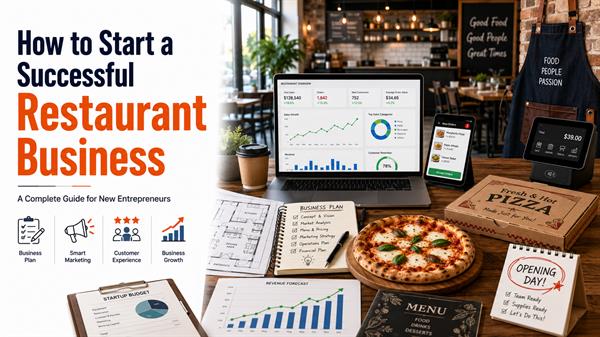
The restaurant industry remains one of the most dynamic and rewarding sectors for entrepreneurs, but it's also one of the most demanding. Behind every thriving restaurant is a foundation of careful planning, financial discipline, and an unwavering focus on customer experience. This guide walks through the essential steps of building a restaurant business from the ground up.
1. Define Your Concept and Niche
Before anything else, decide what kind of restaurant you want to run. Are you opening a fine-dining establishment, a fast-casual eatery, a food truck, or a delivery-focused kitchen? Your concept shapes everything downstream — your menu, pricing, location, staffing, and marketing. Successful restaurants typically fill a clear gap in their market: a cuisine that's underrepresented locally, a price point that's missing, or a dining experience competitors aren't offering.
2. Write a Solid Business Plan
A business plan isn't just paperwork for investors — it's your roadmap. It should include:
- Executive summary: your concept, mission, and what makes it unique
- Market analysis: who your competitors are and who your target customers are
- Menu and pricing strategy
- Operations plan: staffing, suppliers, hours, and workflow
- Financial projections: startup costs, break-even analysis, and revenue forecasts
Lenders and investors will scrutinize this document closely, so realistic numbers matter more than optimistic ones.
3. Secure Funding
Restaurants are capital-intensive. Startup costs commonly range from tens of thousands to several hundred thousand dollars depending on size, location, and concept. Common funding sources include:
- Personal savings
- Small business loans (SBA loans are popular in the U.S.)
- Investors or partners
- Crowdfunding for concept-driven or community-backed restaurants
Whatever the source, keep at least 3–6 months of operating expenses in reserve. Many restaurants fail not because the food or service was bad, but because they ran out of cash before reaching profitability.
4. Choose the Right Location
Location can make or break a restaurant. Key factors include foot traffic, visibility, parking, proximity to your target demographic, and local competition. Lease terms matter too — negotiate carefully, understand build-out costs, and factor in zoning and permitting requirements specific to food service.
5. Handle Licensing and Compliance
Every restaurant needs a stack of permits and licenses before opening, which typically include:
- Business license
- Food service license
- Health department permits
- Liquor license (if applicable)
- Fire safety and building code approvals
Compliance isn't optional, and delays here are one of the most common reasons restaurant openings get pushed back.
6. Design an Efficient Kitchen and Workflow
Kitchen layout directly affects speed of service and food quality consistency. Work with a kitchen designer or experienced chef to plan a layout that minimizes wasted movement and supports your specific menu. Invest in reliable equipment — a breakdown during peak hours can cost far more than the equipment itself.
7. Build Supplier Relationships
Reliable suppliers are the backbone of consistent food quality. This isn't limited to ingredients — it extends to packaging as well; for example, restaurants that offer pizza or takeout typically need a steady, cost-effective supply of custom printed pizza boxes wholesale and other food-safe packaging to keep delivery and takeout operations running smoothly. Building relationships with two or three vendors per key category protects you from supply disruptions.
8. Hire and Train the Right Team
Staff turnover is notoriously high in the restaurant industry, so investing in hiring and training pays off. Look for people who align with your concept's tone — a fine-dining restaurant needs different service skills than a casual eatery. Clear training programs, fair scheduling, and a respectful workplace culture reduce turnover and improve customer experience.
9. Develop a Marketing Strategy
Modern restaurant marketing blends online and offline efforts:
- Local SEO and Google Business Profile optimization so you appear in "near me" searches
- Social media presence, especially visual platforms like Instagram, showcasing food and ambiance
- Third-party delivery apps for exposure, weighed against their commission costs
- Loyalty programs and email marketing to retain repeat customers
- Grand opening events to build initial buzz
10. Focus on Financial Management
Restaurants operate on thin margins, often between 3% and 9% net profit. Track food cost percentage, labor cost percentage, and overhead closely. Point-of-sale (POS) systems with integrated reporting make it easier to spot trends before they become problems — for instance, catching rising food costs before they erode your margins.
11. Prioritize Customer Experience
Ultimately, repeat business drives long-term restaurant success far more than one-time visitors. Consistency in food quality, attentive service, and a pleasant atmosphere build the reputation that keeps tables full. Responding professionally to online reviews — both positive and negative — also shapes public perception significantly.
Conclusion
Starting a restaurant is a demanding but achievable goal when approached methodically. Success comes down to a clear concept, disciplined financial planning, reliable operations, and a relentless focus on the customer. With the right preparation, a restaurant business can become not just a viable venture, but a lasting community fixture.