



Step-by-Step Workflow for a Successful Intruder Alarm Installation

A professionally planned Intruder alarm installation is one of the most effective ways to protect homes, offices, and commercial properties from unauthorised access. However, the success of any security system depends not just on the equipment, but on how well it is designed, installed, and configured.
This guide explains the complete workflow behind a successful intruder alarm installation, helping property owners understand what happens at each stage and why professional expertise matters. At sahisecure volt, every installation follows a structured process to ensure maximum coverage, reliability, and long-term performance.
Understanding the Importance of a Structured Installation Process
Installing an intruder alarm is not simply about fitting sensors and connecting a control panel. Each property has different entry points, layouts, and risk levels. A structured workflow ensures the alarm system works seamlessly, reduces false alerts, and complies with security best practices.
A well-planned Intruder alarm installation improves detection accuracy, strengthens perimeter protection, and integrates smoothly with other security solutions such as CCTV and access control.
Step 1: Initial Security Assessment and Risk Evaluation
Property Survey and Threat Analysis
The first step in any Intruder alarm installation is a detailed site survey. This involves inspecting doors, windows, blind spots, internal movement areas, and external access routes. Residential and commercial properties require different approaches, especially when dealing with multiple floors or shared entry points.
Identifying Security Objectives
Every property owner has unique security goals. Some require basic burglary detection, while others need advanced intrusion monitoring with zoning and remote alerts. Understanding these goals allows installers to design a system that balances protection, usability, and budget.
Step 2: Selecting the Right Intruder Alarm System
Choosing Between Wired and Wireless Systems
A major decision in Intruder alarm installation is choosing between wired and wireless alarm systems. Wired systems are often preferred for new builds or large premises, while wireless solutions are ideal for existing properties where minimal disruption is required.
System Components and Features
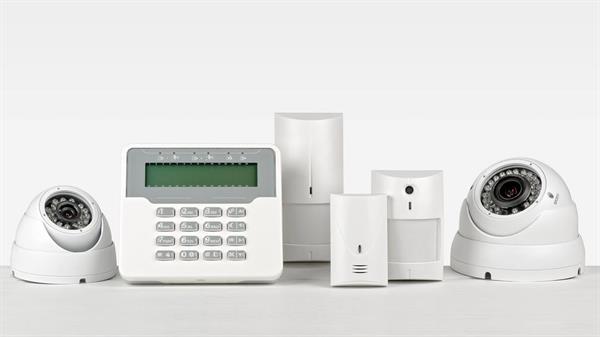
A complete intruder alarm system includes a control panel, motion detectors, door and window sensors, internal and external sounders, and optional monitoring modules. Modern systems may also include smartphone app control, tamper protection, and smart home compatibility.
Step 3: System Design and Sensor Placement
Strategic Sensor Positioning
Correct sensor placement is critical for effective Intruder alarm installation. Motion detectors must cover key movement zones without being triggered by heat sources or pets. Door and window contacts are positioned to detect forced entry instantly.
Zoning for Enhanced Control
Zoning allows different areas of a property to be armed or disarmed independently. This is especially useful for businesses, enabling partial arming during working hours while maintaining perimeter security.
Step 4: Professional Installation and Configuration
Installing the Control Panel and Devices
Once the system design is approved, the installation begins. The control panel is installed in a secure but accessible location, followed by sensors, detectors, and alarm sounders. Professional Intruder alarm installation ensures all components are securely fitted and properly aligned.
Wiring, Connectivity, and Power Setup
For wired systems, cabling is neatly routed and concealed where possible. Wireless systems are configured with secure encrypted communication. Backup batteries are installed to ensure the alarm remains functional during power outages.
Step 5: System Programming and Customisation
Configuring Alarm Settings
The system is programmed according to the property’s layout and user requirements. Entry and exit delays, alarm response times, and alert notifications are all customised to reduce false alarms while maintaining strong security.
User Access and Control Options
Multiple user codes can be set up, allowing homeowners or staff members controlled access. Advanced Intruder alarm installation may also include remote access through mobile applications for real-time alerts and system control.
Step 6: Testing and Quality Assurance
Full System Testing
Before handover, every component is tested. Motion sensors, contact points, sirens, and communication signals are checked to ensure they function correctly. Testing is a crucial step in professional Intruder alarm installation.
False Alarm Prevention Checks
Sensitivity levels are adjusted to avoid unnecessary triggers caused by pets, airflow, or environmental factors. This improves system reliability and user confidence.
Step 7: User Training and Handover
System Demonstration
Property owners receive a full demonstration of how to arm, disarm, and manage the system. Clear instructions help users understand daily operation, emergency procedures, and maintenance basics.
Security Best Practices
Users are advised on password management, regular testing, and how to respond to alarm activations. A well-informed user is essential for getting the most value from an Intruder alarm installation.
Step 8: Ongoing Maintenance and Support
Routine Servicing and Inspections
Regular servicing ensures sensors remain accurate and batteries are replaced before failure. Ongoing maintenance extends the lifespan of the system and keeps it compliant with security standards.
Upgrades and System Expansion
As security needs evolve, systems can be upgraded with additional detectors, smart integrations, or monitoring services. At sahisecure volt, installations are designed with future scalability in mind.
Why a Professional Intruder Alarm Installation Matters
A professionally executed Intruder alarm installation offers far greater reliability than DIY solutions. Expert installers understand risk assessment, system compatibility, and long-term performance. This results in fewer faults, stronger protection, and peace of mind.
By following a structured workflow, sahisecure volt ensures every intruder alarm system is tailored, tested, and trusted.
Final Thoughts
A successful Intruder alarm installation is the result of careful planning, expert installation, and ongoing support. From initial assessment to long-term maintenance, each step plays a vital role in protecting people and property.
Choosing a structured, professional approach ensures your security system works when it matters most—keeping your home or business safe, secure, and confidently protected.